





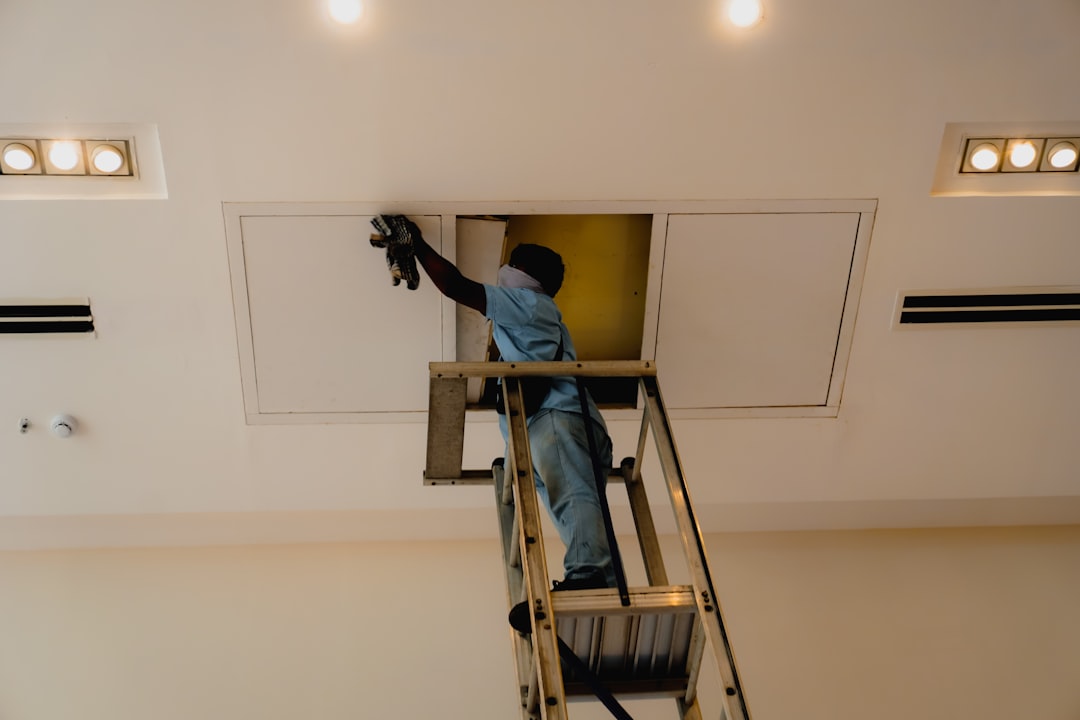

Why Your Spring Air Duct Cleaning Checklist Could Be the Most Important Thing You Do This Season

A spring air duct cleaning checklist helps homeowners systematically clear out the dust, allergens, and debris that build up in ductwork over winter — before allergy season hits full force.
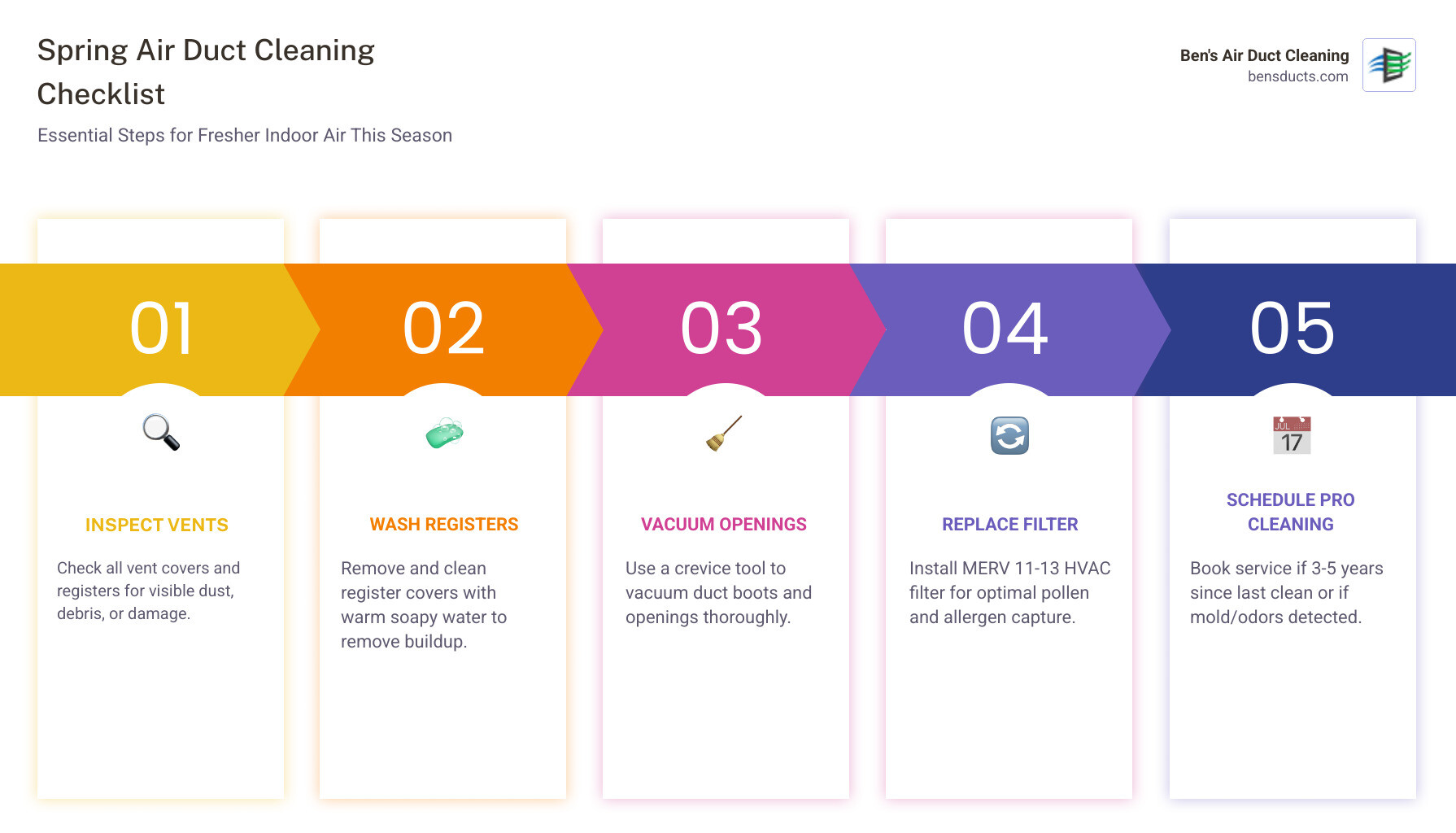
Quick Spring Air Duct Cleaning Checklist:
- Inspect all vent covers and registers for visible dust or debris
- Remove and wash register covers with warm soapy water
- Vacuum the duct openings (boots) with a crevice tool
- Replace your HVAC air filter (use MERV 11-13 during pollen season)
- Check for musty odors, uneven airflow, or visible mold
- Schedule professional duct cleaning if it has been 3-5 years or more
- Consider optional sanitization to eliminate lingering bacteria and mold spores
Here is something worth knowing before you scrub a single baseboard this spring: the EPA estimates that indoor air can be up to five times more polluted than outdoor air. Americans spend roughly 90% of their time indoors — and your HVAC system is quietly recirculating whatever has settled into your ductwork all winter long. That means dust, pet dander, mold spores, and pollen are making laps through your home every time your system kicks on.
Spring feels like a fresh start. But if your air ducts are full of winter buildup, you are essentially cleaning your home with a dirty mop. Getting your ductwork sorted out first makes every other cleaning task more effective — and your family's air genuinely cleaner.
Why a spring air duct cleaning checklist is Essential for Your Home
When we think of spring cleaning, we often channel our inner Marie Kondo. We want to declutter our closets, scrub the baseboards, and make our homes "sparkle." But there is a hidden part of your home that doesn't just need "sparkling"—it needs a deep reset. Your air ducts are the lungs of your home, and after a long Ohio winter, those lungs are likely full of "gunk."
During the winter months in places like Westlake or Cleveland, our homes are sealed tight to keep the heat in. This means the same air—and the same pollutants—circulate over and over again. Skin cells, pet hair, and lint settle into the ductwork, creating a thick layer of debris. If you don't address this with a spring air duct cleaning checklist, you’re just moving dust around every time you vacuum.
Furthermore, spring brings a specific set of challenges: humidity and pests. As the snow melts and the rain begins, humidity levels rise. This moisture can lead to condensation inside your ducts, which is the perfect breeding ground for mold. Additionally, spring is peak nesting season. Birds, mice, and even wasps often look for cozy spots to call home, and your vent openings are prime real estate. A thorough check ensures you aren't sharing your home with unwanted roommates.
How a spring air duct cleaning checklist targets seasonal allergens
If you suffer from itchy eyes or a runny nose the moment the flowers bloom, you know that Spring Allergies and Air Duct System issues are no joke. In our region, pollen counts can skyrocket, and those microscopic particles don't just stay outside. They hitch a ride on your clothes and pets, eventually getting sucked into your return vents.
By Combating Seasonal Pollen Buildup through a dedicated cleaning routine, you lower the "baseline allergen load" in your home. Think of your home like a bucket. If the bucket is already 90% full of winter dust and pet dander, it only takes a tiny bit of spring pollen to make it overflow—and that’s when the sneezing starts. Cleaning the ducts empties that bucket, giving your respiratory system a much-needed break.
Integrating your spring air duct cleaning checklist into a deep home refresh
We often hear from homeowners in Avon Lake or Rocky River who are frustrated that their house feels "dusty" just two days after a deep clean. The culprit is almost always the HVAC system. If the "veins" of your home are dirty, they will continue to deposit a fine film of gray dust on your freshly polished coffee table.
Following Spring Air Duct Cleaning Westlake Tips allows you to tackle these hidden areas first. When you clean the ducts and registers at the start of your spring routine, you ensure that the air blowing out is actually fresh. This makes your general cleaning efforts—like washing curtains or shampooing carpets—much more effective and long-lasting.
6 Signs Your HVAC System Needs Immediate Attention
How do you know if your home is just "lived in" or if your ducts are crying out for help? While the National Air Duct Cleaners Association (NADCA) recommends a professional cleaning every 3 to 5 years, certain Signs Your Air Ducts Need Cleaning suggest you shouldn't wait.
- Visible Dust on Vent Covers: If your registers look like they’ve grown a "fur coat" of gray lint, that’s a clear sign the buildup inside is significant.
- Musty or Stale Odors: Do you notice a "dirty sock" smell or a metallic odor when the A/C first kicks on? This often indicates mold growth or accumulated bacteria within the system.
- Uneven Airflow: If the guest bedroom feels like a sauna while the living room is a fridge, a blockage of debris or a leak in the ductwork could be restricting airflow.
- Excessive Surface Dust: If you find yourself dusting every other day despite keeping the windows closed, your ducts are likely recirculating heavy amounts of particulate matter.
- Recent Renovations: Did you do a kitchen remodel or sand down some drywall this winter? Construction dust is notorious for settling deep into ducts, where it can linger for years if not professionally removed.
- Unexplained Allergy Spikes: If your family is experiencing increased coughing, wheezing, or sinus issues only when they are inside the house, your air quality is likely the culprit.
The Ultimate Maintenance Guide: DIY vs. Professional Steps
Many homeowners ask us if they can handle their spring air duct cleaning checklist on their own. The answer is: yes and no. You can certainly perform high-impact maintenance that improves your air quality, but there are limits to what a household vacuum can achieve.
DIY Maintenance Tasks
For a safe and effective DIY refresh, follow these steps:
- Turn off the System: Always shut off your HVAC at the thermostat and the breaker before working near vents.
- Wash the Registers: Remove the metal grates (registers) and wash them in the sink with warm, soapy water. This removes the sticky "bio-film" that traps dust.
- Vacuum the Boots: Use your vacuum’s crevice tool to reach about 12 to 24 inches into the "boot" (the part of the duct immediately behind the vent). This area often holds "heavier" items like pet hair, lost toys, or even old food.
- Clean the Air Handler Cabinet: If you can safely access your furnace or air handler, vacuum the exterior and the area around the filter slot to prevent loose dust from being sucked in.
- Replace the Filter: This is the single most important DIY step. During heavy pollen season, we recommend a MERV 11 or MERV 13 filter, which is dense enough to capture fine allergens without overworking your motor.
For a deeper dive into what a full home service looks like, check out our Residential Air Duct Cleaning Guide.
Professional equipment used in a spring air duct cleaning checklist
While DIY steps provide about 80% of the immediate "visual" relief, they cannot reach the hundreds of feet of ductwork hidden behind your walls and ceilings. This is where professional intervention becomes necessary.
A professional team uses negative pressure technology. We hook a massive, truck-mounted vacuum to your main trunk line, essentially putting your entire home's duct system under a vacuum. While that suction is running, we use specialized brushes and "air whips" to dislodge stubborn debris from the walls of the ducts.
We also utilize ULV (Ultra-Low Volume) foggers for sanitization. This process involves misting an EPA-approved, hospital-grade disinfectant through the system. This kills mold spores, bacteria, and viruses on contact, which is especially helpful for homes in humid areas like Lorain or Elyria.
Improving HVAC Efficiency and Avoiding Industry Scams
Cleaning your ducts isn't just about breathing better; it's about your wallet. When dust and debris clog your system, your HVAC unit has to work harder to push air through the narrow passages. This leads to higher energy bills and a shorter lifespan for your expensive furnace and A/C unit.
| Feature | Dirty Ducts | Cleaned Ducts |
|---|---|---|
| Airflow Efficiency | Restricted (15-25% loss) | Optimized (100% flow) |
| Energy Consumption | High (System runs longer) | Lower (Heats/Cools faster) |
| System Lifespan | Reduced due to strain | Extended |
| Dust Accumulation | Constant recirculation | Significantly reduced |
Avoiding the "$99 Special" Scams
Unfortunately, the duct cleaning industry is rife with "blow-and-go" scams. You may see advertisements for a $99 whole-house cleaning. Beware: these are almost always "bait-and-switch" tactics. A technician will arrive, do a superficial job with a shop-vac, and then "discover" mold that costs hundreds of dollars to treat.
A legitimate, professional cleaning following NADCA standards typically takes 2 to 4 hours and requires heavy-duty equipment. If a deal seems too good to be true, it likely is. Always look for a licensed, insured team that provides transparent explanations of their process.
Frequently Asked Questions about Spring Duct Maintenance
How often should I have my air ducts professionally cleaned?
For most homes in the Cleveland and Akron areas, every 3 to 5 years is the sweet spot. However, you should consider more frequent cleanings (every 1-2 years) if you have multiple shedding pets, smokers in the home, or family members with severe asthma or allergies.
Does cleaning my air ducts really help with my spring allergies?
Yes! While it isn't a "cure" for seasonal allergies (since you still have to go outside eventually), it drastically reduces the "trigger" count inside your home. By removing the reservoir of pollen and dander from your ducts, you give your immune system a chance to recover overnight while you sleep.
Is the air duct cleaning process messy for my home?
When done correctly by professionals, it is not messy at all. We use specialized containment systems and high-powered vacuums that ensure all the dust goes into our collection tanks, not into your living room. We also wear booties and use drop cloths to protect your flooring.
Conclusion
Your home should be a sanctuary, especially during the beautiful transition into spring. By checking off your spring air duct cleaning checklist, you aren't just cleaning a house; you are protecting your family's health and ensuring your HVAC system runs efficiently for years to come.
Whether you are in Strongsville, Lakewood, or North Ridgeville, the air you breathe indoors matters. Don't let winter's leftovers ruin your spring refresh. If you've noticed the signs of dusty vents or if it's simply been too long since your last inspection, it's time to take action.
Schedule your professional indoor air quality service today and breathe easier knowing your home's "lungs" are clean and clear.
Recent posts
Customer Testimonials

Ben’s air duct cleaning service did an excellent job cleaning my whole homes vents and ducts. They were in and out in 3 hours and were very kind and willing to answer any questions I had. They showed and sent me pictures of before and after and were very affordable. Would recommend to my friends!
Ben’s air duct cleaning service did an excellent job cleaning my whole homes vents and ducts. They were in and out in 3 hours and were very kind and willing to answer any questions I had. They showed and sent me pictures of before and after and were very affordable. Would recommend to my friends!
The entire experience with Ben’s cleaning was a pleasure from beginning to end. They are very professional, efficient, easy to work with and they did a great job! They kept me informed of what they were doing every step of the way. Highly recommend them!!
Tarek was extremely helpful with walking through the entire process and showing before and after pictures of the work. Highly recommend Ben’s for providing a great service with strong communication.
I recommend this company for getting your air ducts cleaned. The two workers were very knowledgeable and polite. They came on time and took good before/after pics. Fairly priced too.
I had an amazing experience with Bens. They showed up on time, and were extremely kind and respectful. Prices were excellent as well, I even shopped around. Ben and the gang knocked it out of the park, will be using them again!
The before and after was amazing! Very professional, left the house cleaner than when they came in. Highly recommended!
Great Job! Ducts are clean and I am breathing better. The crew was fast and efficient. I couldn’t be happier!
Great workers. Very pleasant and informative. Very respectful of the house. Yea tarek and Bosh are good people.
We had an excellent experience with this company. Communication was easy and friendly and their work was fantastic. Thank you!
Very clean and professional. Did a wonderful job. A pleasure to work with and will definitely recommend their services.
The team was very professional and accommodating. Called 30 minutes ahead to confirm they were on the way. Job well done and even provided before/after pictures. Pricing was very reasonable – we did our research! I have already recommended their service to friends since we had such a great experience.
The guys from Ben’s are amazing They did a great job Could not be happier with there work I highly recommend them Thank you
Very polite and professional during the whole process. They took before and after photos during each step they did and I was very impressed with the results especially on the return lines. Thank you for the great service!
They did an amazing job – thorough and professional! Especially liked the before and after pics. I will be referring them to my friends and family!


