

Learning Center
How Often to Clean Dryer Vent in a Condo
Learn how often to clean dryer vent in a condo or apartment to prevent fire hazards and improve efficiency.
By Bachar “Ben” El Halabi Published Updated
Is Your Condo Dryer Vent a Hidden Fire Hazard?
Knowing how often to clean dryer vent in a condo or apartment could be the difference between a safe home and a serious fire risk. Here is a quick answer based on your situation:
| Usage Level | Cleaning Frequency |
|---|---|
| Light use (1-2 loads/week) | Every 18-24 months |
| Moderate use (3-5 loads/week) | Every 12-18 months |
| Heavy use (daily or with pets) | Every 6-12 months |
| Older building or long/complex vent run | At least once a year |
Most condo and apartment residents should plan on a professional dryer vent cleaning at least once a year. High-usage households, pet owners, and buildings with long or shared duct runs should aim for every six months.
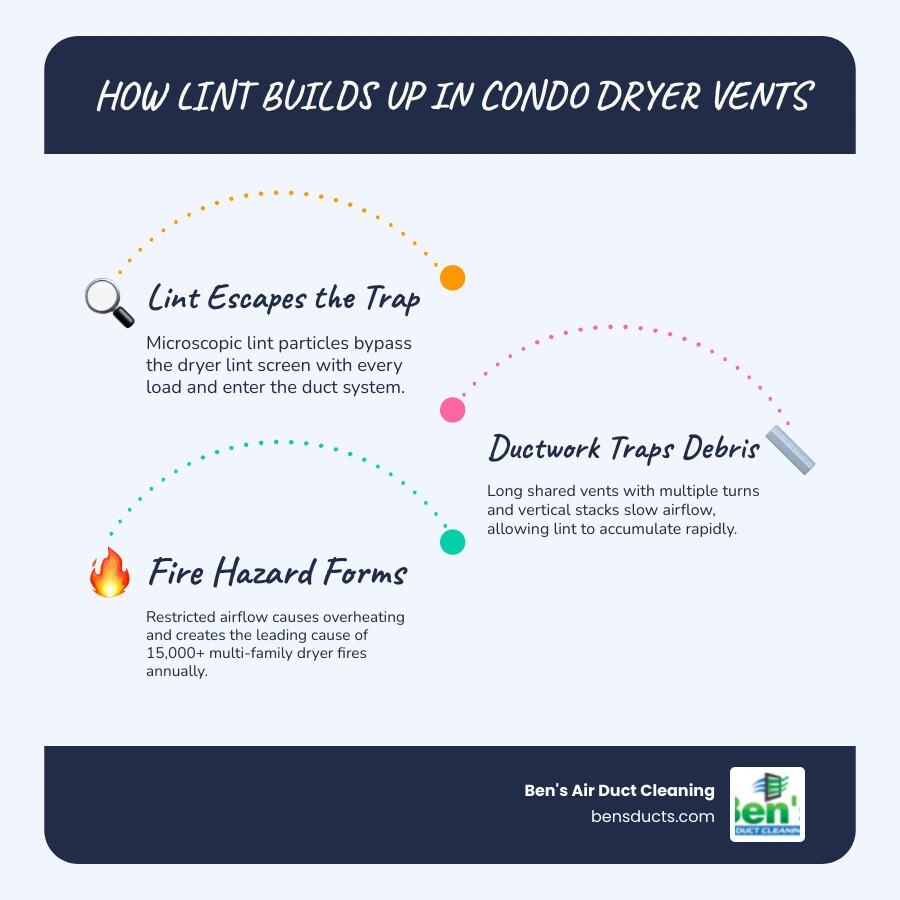
That baseline matters because condo and apartment dryer vents are not like typical house vents. They tend to run longer, turn more corners, and sometimes connect to shared exhaust systems that serve multiple units. According to the U.S. Fire Administration, failure to clean is the leading cause of the more than 15,000 dryer-related fires that happen in the United States every year — and in multi-family buildings, clogged exhaust vents are linked to as many as 15,000 of those fires annually. Lint bypasses the lint screen with every single load, quietly building up inside ductwork where you cannot see it, until airflow is restricted enough to create a real hazard.
If you live in a condo or apartment and cannot remember the last time your dryer vent was cleaned, that is already a reason to act.
Why Condo and Apartment Dryer Vents Need More Frequent Attention
When you live in a single-family home in Cleveland or Westlake, your dryer is typically placed right against an exterior wall. The vent pipe travels a short, straight distance—often less than 10 feet—directly to the outside. In a condo or apartment, the architectural reality is completely different, which drastically changes how lint accumulates.
The Complexity of Multi-Unit Venting
In multi-unit buildings, laundry closets are frequently situated in the center of the floor plan rather than along an exterior wall. This means the exhaust duct must travel a long, winding path to reach the outside of the building. It is not uncommon for a condo dryer vent to run 30, 40, or even 50 feet through walls, ceilings, and floor joists before terminating on a roof or an exterior sidewall.
To navigate this distance, the ductwork relies on multiple 90-degree elbows and right-angle turns. Every single bend in a dryer vent pipe acts as a speed bump for airflow. As the warm, moist, lint-heavy air hits these turns, the velocity drops, and heavy lint falls out of the air stream, settling in the corners. Over time, these elbows become primary choke points for highly flammable lint.
Understanding Why Regular Dryer Vent Cleaning is Essential is crucial for condo owners who may not realize how quickly these complex systems can choke. When airflow is restricted, your dryer has to work twice as hard to push air through the system, which spikes your utility bills and wears out your heating elements prematurely.
Stackable Dryers and Inefficient Blowers
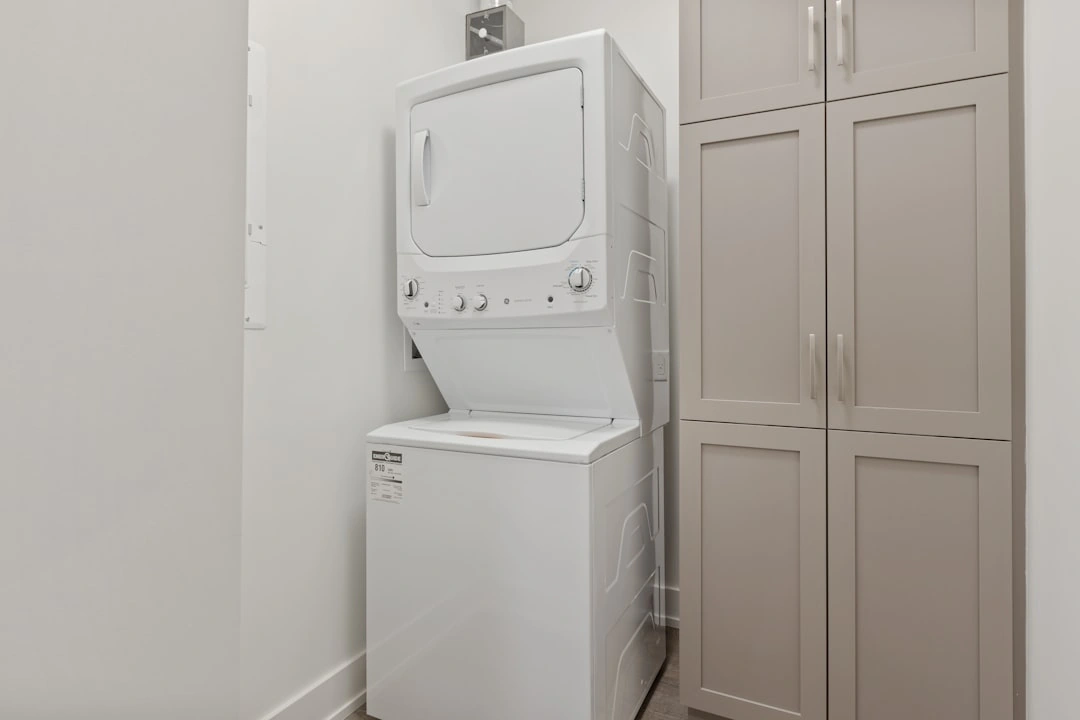
To maximize limited square footage, many apartments and condos utilize compact, stackable washer and dryer units. While these space-savers are convenient, their internal blower fans are often smaller and less powerful than those found in full-sized, heavy-duty dryers.
These smaller blowers simply lack the physical force required to push moist air and heavy lint through dozens of feet of ductwork and multiple sharp turns. Because the air moves slower, lint drops out of suspension much faster, accelerating the accumulation process. When you couple a weak blower with a long, winding duct, you create the perfect recipe for rapid blockages.
Vertical Stacks and Booster Fans
In high-rise buildings and multi-story condo complexes, vent runs often travel vertically up to the roof. Pushing heavy, moisture-laden lint straight up against gravity requires serious mechanical help. To solve this, many buildings install inline booster fans within the vertical duct run.
While booster fans help maintain airflow, they are also prone to mechanical failure and lint buildup. If a booster fan gets caked in lint, it can stall or stop working entirely. When a vertical stack or booster fan fails, the exhaust air stalls, and lint begins backing up down the vertical column, affecting your unit and potentially neighboring suites.
This hidden buildup highlights the severe Lint Buildup Dangers in Dryer Vents, where a single spark from an overworked dryer motor can ignite the trapped, highly flammable material inside your walls.
How Often to Clean Dryer Vent in a Condo or Apartment
To keep your home safe and your appliance running efficiently, you need to establish a reliable maintenance schedule. While a general rule of thumb is to clean your vents annually, several variables dictate how often to clean dryer vent in a condo or apartment.
Cleaning Frequency Guidelines
To help you determine the right schedule for your home, consider this breakdown of usage patterns and building types:
- Light Use (1–2 loads per week): If you live alone or only run your dryer occasionally, you can typically schedule a professional cleaning every 18 to 24 months. However, we still recommend an annual visual inspection of your transition hose and external wall cap.
- Moderate Use (3–5 loads per week): This is typical for couples or small families. For moderate usage, you should have your dryer vent professionally cleaned every 12 to 18 months to prevent the slow choke of lint buildup.
- Heavy Use (Daily or multiple loads per day): Large families, homes with young children, or pet owners who wash hairy blankets frequently fall into this category. If this sounds like your household, you should schedule professional cleanings every 6 to 12 months. Pet hair and heavy cotton fibers bypass lint screens easily, leading to rapid accumulation.
- Older Buildings or Long Vent Runs: If your condo building in Lakewood or Parma was built several decades ago, or if your vent travels more than 30 feet, you should stick to a strict annual cleaning schedule, regardless of how often you use the machine. Older ductwork often has rougher interior surfaces and more sagging points where lint naturally pools.
To dive deeper into standard maintenance intervals, check out our comprehensive How Often Should You Clean Your Dryer Vent guide, as well as our updated Dryer Vent Cleaning Guide 2026 for the latest safety standards and building code requirements.
The Real Danger: Fire Statistics
It is easy to push dryer vent cleaning to the bottom of your to-do list, but the safety stakes are incredibly high in multi-unit buildings. According to the National Fire Protection Association (NFPA), clothes dryers are one of the most common causes of residential structure fires.
Data from the National Fire Incident Reporting System reveals that "Failure to clean" was the leading factor contributing to the ignition of 31% of clothes dryer fires. In multi-family residences—where walls, ceilings, and utility shafts are shared—a fire in one unit quickly threatens the lives and property of everyone in the building. Clogged exhaust vents are responsible for thousands of multi-family structure fires every year, resulting in millions of dollars in property damage and preventable injuries. When you clean your dryer vent, you are not just protecting your own unit; you are protecting your entire community.
Warning Signs Your Multi-Unit Dryer Vent is Clogged
You do not have to wait for your annual calendar reminder to know if your system is struggling. Your dryer will actively show signs of distress when airflow begins to choke. Recognizing these warning signs early can save you from a costly appliance breakdown or a dangerous fire.
1. Clothes Take Longer Than Normal to Dry
The most common indicator of a clogged vent is a sudden or gradual increase in drying times. If a load of towels that used to take 45 minutes now takes two full cycles or 90 minutes to dry, your vent is likely restricted. When lint blocks the duct, the moist air cannot escape. The dryer simply spins your clothes in a hot, humid drum, wasting energy and putting massive strain on the machine. Learning about the Signs of Blocked Dryer Vents helps you catch these issues before they escalate.
2. The Laundry Closet or Room Feels Very Hot and Humid
If you step into your laundry area while the dryer is running and it feels like a sauna, this is a major red flag. When exhaust air cannot escape through the wall or roof, the heat and moisture back up into your living space. You might notice condensation dripping down the walls of your laundry closet, peeling paint, or a damp, heavy feeling in the air.
3. A Burning or Musty Smell During or After a Cycle
Never ignore a burning smell when your dryer is running. This odor indicates that lint has accumulated inside the dryer's heating element chamber and is beginning to scorch. This is the final warning sign before a fire ignites.
Conversely, if you notice a damp, musty smell, it means moisture is pooling inside the ductwork. Because lint is organic material, trapped moisture turns your duct into a breeding ground for mold and bacteria, which can negatively affect your indoor air quality.
4. Clothes and the Dryer Exterior Feel Hot to the Touch
Dryers are designed to vent heat safely away. If your clothes are painfully hot to touch at the end of a cycle, or if the top of the dryer shell is burning hot, the system is overheating. This excess heat ruins your clothing fibers, shrinks your garments, and degrades the sensitive internal electrical components of your appliance.
Keeping your system clear ensures optimal airflow, and you can read more about How a Clean Dryer Vent Reduces Drying Time and keeps your energy bills low.
Who is Responsible for Dryer Vent Cleaning in Condos and Apartments?
One of the most confusing aspects of condo living is determining who is responsible for maintaining the dryer vent system. Because the ductwork travels through shared walls and common areas, the lines of responsibility can sometimes feel blurred.
HOA Rules and Condo Covenants
In most condominium associations, maintenance responsibilities are divided into "unit elements" and "common elements."
- The Individual Unit Owner: Typically, you are responsible for everything inside your drywall. This includes your physical dryer appliance, the flexible transition hose behind the machine, and the portion of the ductwork that runs through your individual unit.
- The HOA or Condo Corporation: The association is usually responsible for "common elements," which often includes the main vertical exhaust risers, shared ventilation shafts, and the exterior terminal caps on the roof or siding of the building.
Many progressive HOAs in areas like Strongsville and North Olmsted now mandate building-wide dryer vent cleaning programs. The HOA will hire a professional team like us to clean every unit's vent from the inside out on a single schedule. This is highly effective because it ensures 100% compliance. If nine out of ten units clean their vents but the tenth unit neglects theirs, the entire building remains at risk for a fire.
Tenant vs. Landlord Duties in Apartments
If you rent an apartment, the division of labor is much simpler:
- The Tenant: Your responsibility is daily, basic maintenance. This means cleaning the lint screen before every single load, keeping the laundry closet clear of clutter, and reporting any performance issues (like long drying times) to management immediately.
- The Landlord or Property Manager: The landlord is legally responsible for maintaining the building's infrastructure in a safe, habitable condition. Because clogged vents pose a severe fire hazard and can cause structural mold damage, professional duct and vent cleaning falls squarely on the landlord's shoulders.
Understanding the broader Dryer Vent Cleaning Importance helps both landlords and tenants see eye-to-eye on why this service cannot be ignored. Regular maintenance prevents costly insurance claims and protects the physical building structure from water damage. To protect your property, you can read our guide on how to Prevent Dryer Fires with Maintenance to establish clear protocols for your household or rental units.
Frequently Asked Questions about Condo Dryer Vents
Navigating the unique mechanical setups of multi-unit buildings can be tricky. Here are some of the most common questions we hear from condo and apartment residents in our Ohio service areas.
How often to clean dryer vent in a condo or apartment with heavy daily use?
If your household runs the dryer daily, washes heavy cotton items, or has multiple pets, you should have your dryer vent cleaned every six months. Heavy usage causes lint to pile up rapidly, especially in the tight bends of condo ductwork. Pet hair is particularly notorious for bypassing the dryer's lint screen, sticking to damp duct walls, and forming dense, felt-like blockages. For practical tips on keeping your system clear between visits, check out our Essential Dryer Vent Maintenance Tips.
How often to clean dryer vent in a condo or apartment with a long or vertical duct run?
For vertical stacks or horizontal runs exceeding 30 feet, you should schedule professional cleaning at least once a year, even if you only use the dryer once or twice a week. Gravity and friction work against long runs, meaning lint drops out of the air stream much faster than it would in a short, straight pipe. Regular inspections are also crucial to ensure that inline booster fans are functioning properly and have not stalled due to lint accumulation.
Can I clean my own high-rise dryer vent?
In almost all cases, no. While you can easily clean the lint trap and wipe down the area behind your dryer, DIY cleaning kits sold at hardware stores are not designed for the complex, long duct runs found in high-rise buildings.
Using a flexible brush on a long run without professional suction equipment often backfires; it can easily pack the lint tighter into elbows, creating a complete blockage. Furthermore, if you use too much force, you risk tearing or disconnecting flexible aluminum ductwork hidden inside your walls, leading to expensive structural repairs. Hiring a professional is the only way to ensure the job is done safely and thoroughly, and you can learn more about how Dryer Vent Cleaning Prevents Fire Hazards when performed by certified experts.
Conclusion
Maintaining a clean dryer vent is not just about keeping your appliance running smoothly—it is a critical safety measure that protects your home, your family, and your neighbors. In a condo or apartment setting, the complexity of long, winding, or shared duct runs means that standard home maintenance checklists simply do not cut it.
If you live in Northeast Ohio—whether in Cleveland, Lakewood, Parma, or Westlake—our team at Ben's Air Duct Cleaning is here to help. As licensed, insured, and expert professionals, we bring specialized high-powered vacuum systems and training to safely clear even the most complex multi-unit venting systems. We make sure your ducts are completely clear from the dryer connection all the way to the exterior termination point.
Don't wait for a burning smell or sky-high electric bills to take action. Schedule professional dryer vent cleaning in Strongsville, OH with Ben's Ducts today, and enjoy the peace of mind that comes with a safer, more efficient home.
Free quotes · 4.9★ on Google
Breathe easier. Get your free quote today.
Call now or request a free quote online — the Ben's team serves Northeast Ohio with licensed, insured, background-checked technicians.
No-pressure pricing · Before & after photos every job · 36 Ohio cities